


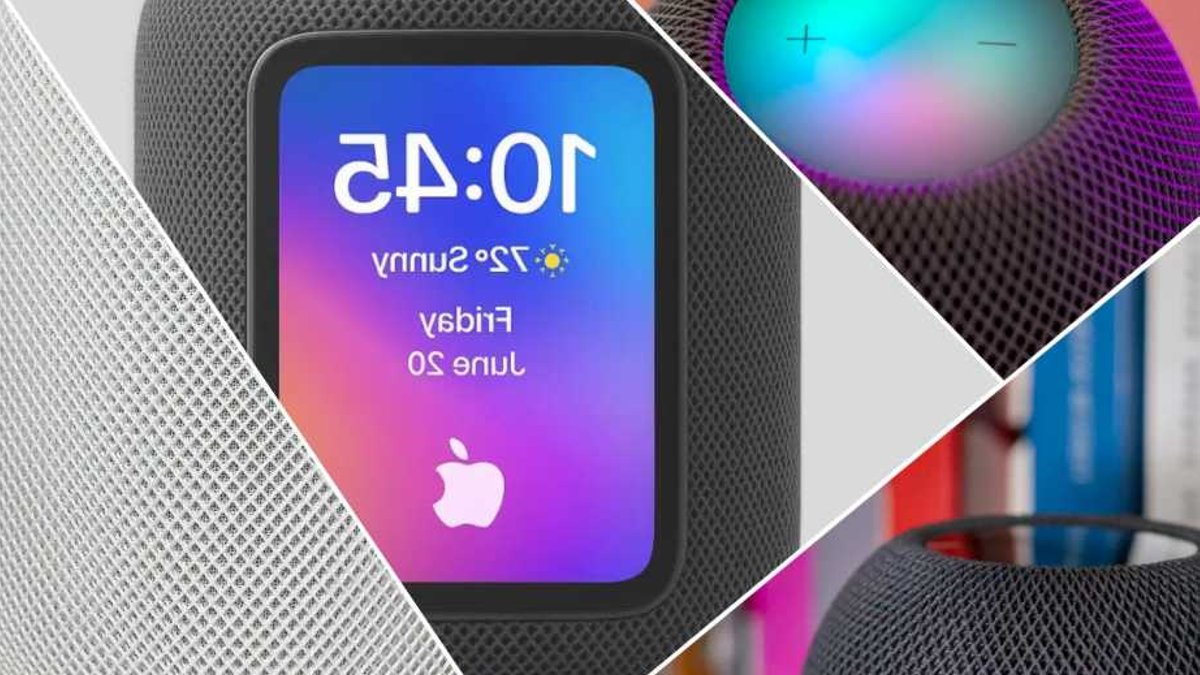
Apple plans its largest expansion of the HomePod lineup since the original smart speaker debuted. The company is developing products that combine smart speakers, displays, and home hubs, though their release depends on a redesigned, AI-powered Siri.
The biggest challenge isn’t hardware but software. Apple’s next-generation Siri, part of its Apple Intelligence initiative, demands far more processing power than current HomePods offer. The HomePod mini uses the Apple Watch S5 chip, while the second-generation model relies on the S7. Neither can handle the conversational context, personal data integration, or on-screen content analysis promised by the updated assistant.
Sources indicate Apple has several smart home products nearly ready but is holding them until Siri’s overhaul is complete. The updated assistant is expected to launch with OS 27 updates later this year, potentially clearing the way for new HomePods this fall.
At least three new devices are rumored, though names remain unconfirmed. The most anticipated include:
Related: Africa startup scene sees gradual diversity gains
- HomePod mini 2: A successor to the compact speaker, expected to keep its spherical design but gain a major processor upgrade to support AI features. A red color option has been tested, though it may not appear in the final version. An October 2026 launch is rumored, aligning with a broader smart home refresh.
- HomePod 3: The full-size model, currently priced at $349, is expected to receive similar internal upgrades and better connectivity. Few details exist about external changes, but it will likely maintain its current shape while gaining the power needed for Apple Intelligence.
- HomePod with a screen: A display-equipped smart home hub, widely referred to as the “HomePad.” It would compete with Amazon’s Echo Show and Google’s Nest Hub, offering smart home controls and a more interactive Siri. Its launch has been delayed multiple times, with the latest speculation pointing to fall 2026.
The move toward AI aims to change how users interact with their homes. Current HomePods rely mostly on voice commands, but a display model would add touch controls, visual feedback, and deeper smart home integration. Apple’s goal is an ecosystem where Siri doesn’t just respond to requests but anticipates them, using on-device AI to process personal data and environmental cues.
This effort comes as Apple faces strong competition from Amazon and Google, both of which have expanded their smart display lineups. While Apple’s HomeKit platform has grown through the Matter standard—adding support for security cameras and energy management—it still lags behind rivals in third-party integrations.
Prices for existing models increased in June 2026. The HomePod mini now costs $129, and the full-size version is $349. New devices are expected to keep these prices, though the screen-equipped HomePod may start around $399 or higher.
The most important upgrade across all new models will be their processors. The current HomePod mini’s S5 chip and the HomePod’s S7 lack the power for Apple Intelligence. Analysts believe the new devices will feature significantly more powerful Apple silicon to enable the full Siri AI experience.
Apple’s smart home plans remain uncertain. The company stopped allowing iPads as home hubs in February 2026, limiting that role to the Apple TV 4K or HomePod. Later this year, iOS 27 is expected to introduce AI vision recognition, letting cameras identify users and trigger automations while protecting privacy. If Siri’s overhaul stays on schedule, the fall could bring the biggest update to Apple’s smart home lineup in years.
For now, potential buyers should wait. Current HomePods, already premium-priced, can’t support Apple’s AI features. New models will likely justify the delay when they arrive.
As smart home technology evolves, accessories like protective cases and stands may also adapt to complement these devices.


